

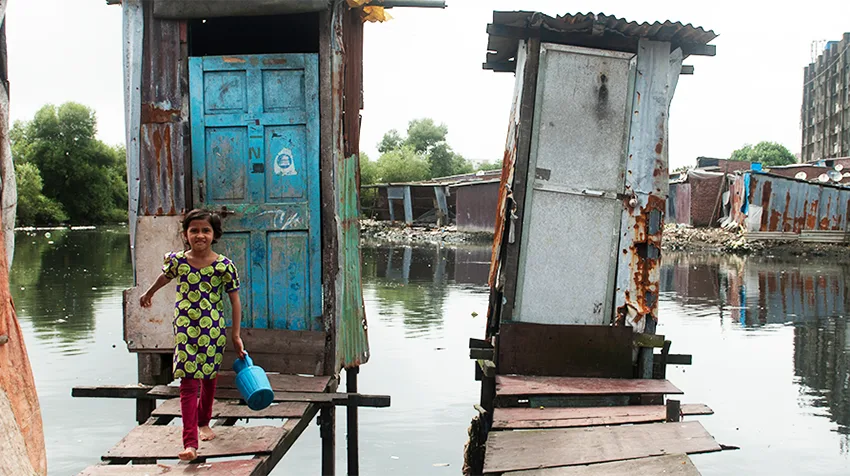

Just to be clear, the “sanitation” piece of Water, Sanitation and Hygiene (WASH) is not about cleaning and sanitizing. It is about the safe management, containment, treatment, and disposal of human waste (feces and urine) and its accompanying wastewater. It is about toilets and latrines, plumbing, septic tanks, sewers, and treatment plants. It is about preventing disease and protecting public health. To be effective, sanitation must be carefully managed at all stages, from waste collection and containment to transport and treatment. If there are gaps or breaks at any stage, harmful human waste can contaminate surface waters that people use for drinking and bathing and the soil where children play and people live.
Sanitation is not a luxury or a privilege. It is a human right, and is fundamental to public health, environmental protection, climate resilience, and human dignity.
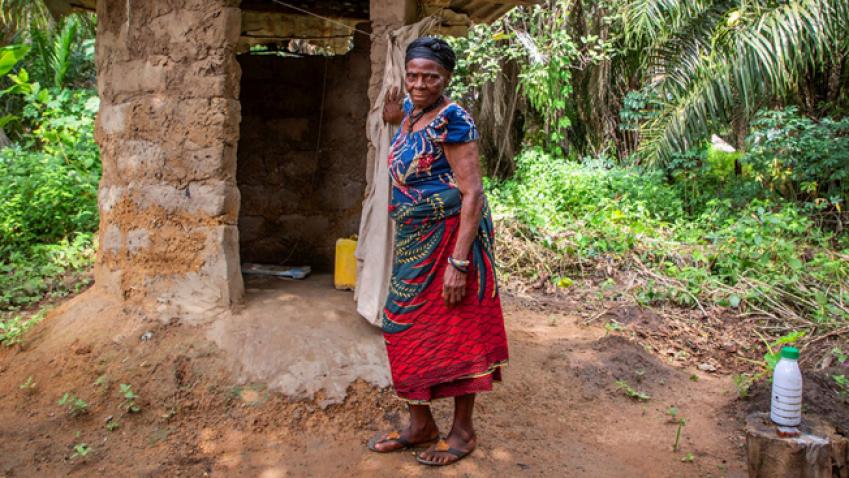
The global sanitation crisis
The term “crisis” is no exaggeration when it comes to sanitation. But it is a silent one, a chronic emergency that doesn’t reach news headlines or receive adequate attention and priority from policy-makers. Unsafe sanitation has been a longstanding global crisis which is becoming ever more urgent as the human population increases and climate change, water scarcity, and urbanization intensify.
Without proper sanitation facilities, human waste spreads bacteria, viruses, and parasites directly into local soil, groundwater, and surface water. Diseases such as diarrhea, cholera, typhoid, polio, and parasitic infections are the result. Climate change magnifies these risks, as poorly-managed sanitation systems are more vulnerable to extreme weather events, spreading contamination and disease in the wake of storms and floods. According to the World Health Organization, unsafe water, sanitation, and hygiene cause an estimated 1.4 million preventable deaths each year. 1
The scale of the need is staggering. 3.4 billion people around the world lack safely-managed sanitation facilities. 2 That is over 40% of the human population on earth. Among the 3.4 billion, some have a basic level of access, but facilities may be communally shared and may not meet minimum standards of hygiene, safety, or privacy. Hundreds of millions of people have no access at all and must relieve themselves in the open — in street gutters, alleyways, empty fields, behind bushes, or into open bodies of water. This situation is not safe for anyone.
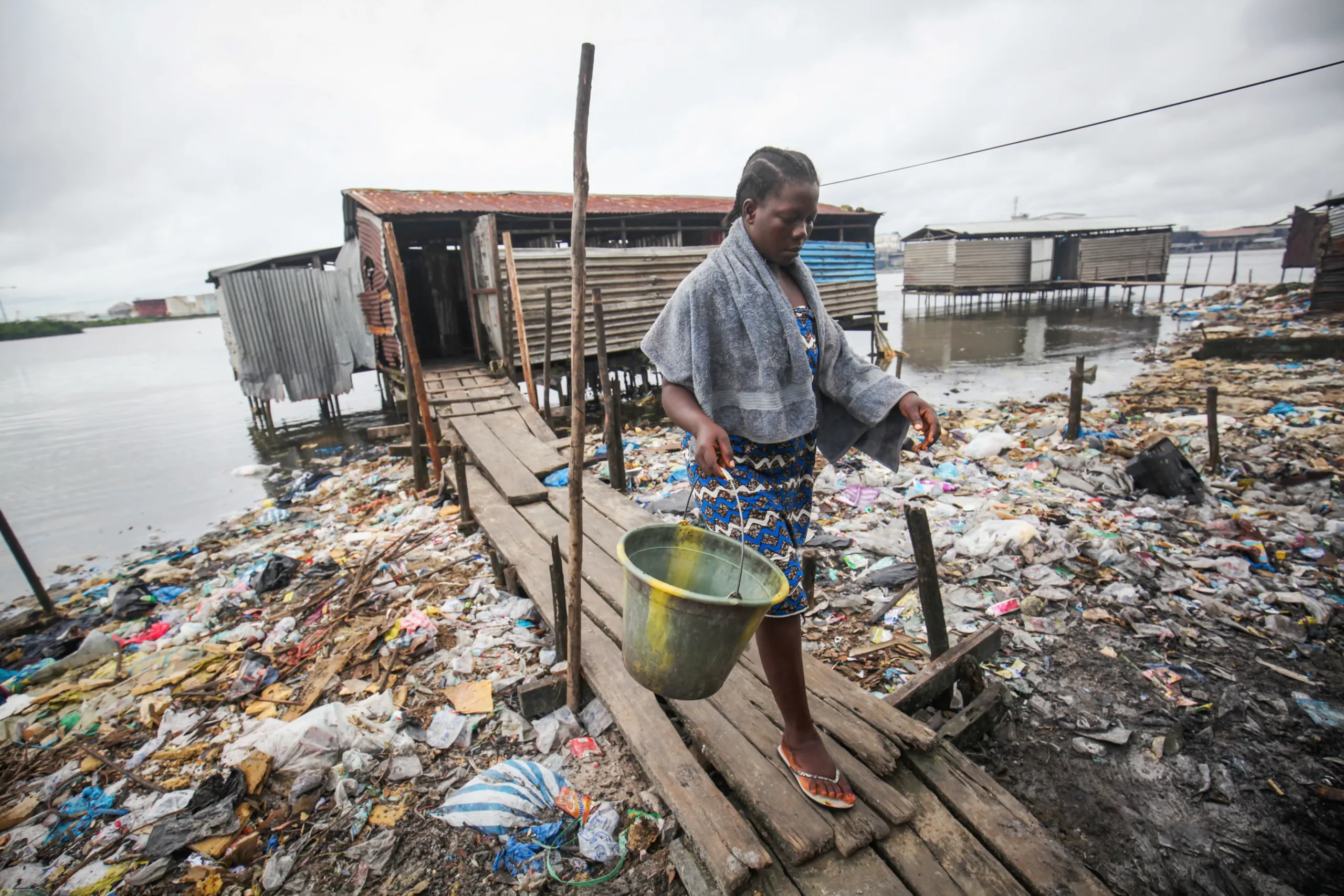
How did we let it come to this?
Why haven’t we made more progress on this basic human need and fundamental human right when we have the means and the technology? According to sanitation crusader Jack Sim, founder of the World Toilet Organization, it is because people just don’t want to talk about poop, and, what we don’t discuss, we can’t improve:
“For a very long time, sanitation and hygiene have been part of the cleaner-sounding “water agenda”, and when they hide the topic under “water”, it literally goes underwater, which means nothing gets done. So, I asked people working in the development sector, “Why is it that you don’t just say it?” No one wants to talk about sanitation and toilets. Nobody wants to donate to a subject that is brown in colour; people prefer to talk about blue and green issues, such as climate change and forests and water and children and fish and animals. There are still very few people who are willing to focus on sanitation in the simplest language. Some call it “fecal sludge management”, which is hard for ordinary folks to understand. I think we have to call it what it is. We have to make going to the toilet a normal, natural thing, just like eating and drinking. We are in a state of denial, and that is why problems continue to exist.” 3 — Jack Sim, “Mr. Toilet”
Raising the volume on toilet talk
World Toilet Day is marked every year on November 19 to break the silence and inspire action to end the sanitation crisis. According to the most recent UN report, if we are to meet the Sustainable Development Goal of clean water and sanitation for all by 2030, we must rapidly accelerate our efforts:
“Achieving universal coverage by 2030 will require an eightfold increase in current rates of progress for safely managed drinking water, a sixfold increase for safely managed sanitation, and a twofold increase for basic hygiene services.”
Without significant progress on clean water and sanitation (SDG 6), the achievement of many other Sustainable Development Goals—including poverty eradication, improved health outcomes, food security, and gender equality—will remain out of reach.
Sanitation and gender
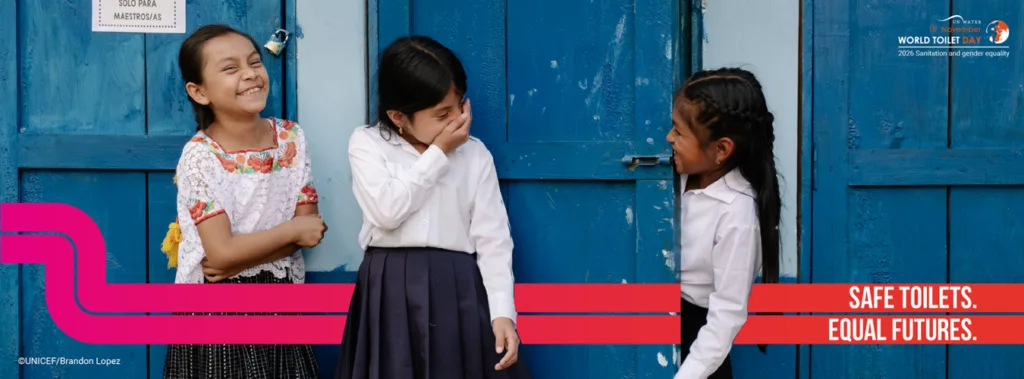
Through a combination of social norms, cultural taboos, traditional gender roles, and their own biological needs, women and girls face unique sanitation challenges. Unsafe sanitation reinforces gender inequality, exposing women to greater risks than men, and affecting their rights to health, education and work.
From a biological perspective, women and girls go more frequently to the toilet and take longer while there. And, while menstruating, pregnant, or in menopause, women and girls have additional sanitation and hygiene needs. Women and girls who don’t have access to a safe toilet at home, school, or work will often hold their urine for long periods of time, leading to higher risks of bladder and kidney infections. In addition, they may reduce their food and water intake to prevent having to urinate or defecate, leading to dehydration, chronic constipation, and malnourishment. 4
Around the world, women and girls carry disproportionate responsibility for childcare and eldercare. Because of their domestic roles and responsibilities, women are in greatest physical contact with contaminated water and the human waste of others. Every time an individual is exposed to human waste that is not their own, this places them at heightened risk for contracting cholera, intestinal worms, typhoid and more.
Personal safety and security are also a concern. The lack of private sanitation at home puts women at increased risk of harassment and sexual violence as they are forced to use public facilities or find private places to relieve themselves outdoors, often in remote and darker spaces.
When there are no public sanitation facilities, women and girls participate less in education, work, and public life.
Equal participation
When WASH services are designed and run solely by men, they ignore women’s valuable perspectives and first-hand experiences. As a result, those services don’t always meet the needs of everyone in the community. Women must help shape sanitation solutions, working alongside men to design, manage, and deliver services that work for everybody. The participation of women, girls, and other groups disproportionately affected by unsafe sanitation – including older people, persons with disabilities, and gender-diverse people – is essential to building resilient water and sanitation services that leave no one behind.
Dig Deeper….
- Join GRAN for a webinar on sanitation on Tuesday, November 10 at 1:00 p.m. ET in advance of World Toilet Day. Our guest speaker will be Clarissa Brocklehurst, former Chief of UNICEF’s Water, Sanitation and Hygiene Section. Click here to register.
- Why Millions Still Don’t Have Toilets 5-minute video for World Toilet Day (2025)
- Safely-managed sanitation is a climate solution 2-minute video from the World Health Organization
- Sanitation and Nutrition – 3-minute animated video illustrating the direct links between lack of sanitation and malnutrition in children.
- Gender and Sanitation – More than just a toilet – Article focused on the gender complexities around the use of toilets — the physical, social, and cultural aspects of access to sanitation.
- Some personal stories. Read about Abimbola Balogun in Oyo State who runs a small business building toilets for her community. Or Sylvia Ayoo, in Kotido District, Uganda who lives with a disability and asked her community to help her construct a pit latrine. Or Shafique Massih, a quiet hero who works maintaining the sewers in Lahore, Pakistan.
- A brief history of toilets 5-minute amusing (while still being serious) animated video covering the evolution of human technologies for dealing with human waste from ancient Mesopotamia to the present day.
- Safe Toilets. Equal Futures. Activities kit for World Toilet Day from UN Water. Contains ideas and resources for activities for children, youth, and community organizations as well as a fact sheet on gender and sanitation.
