

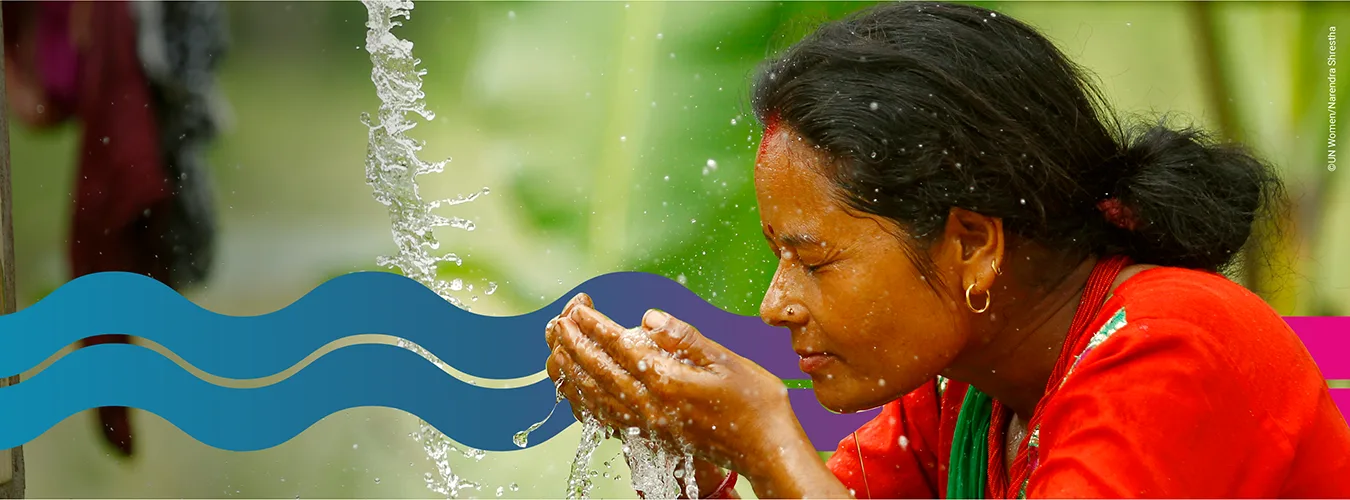

The month of March is home to World Water Day, which takes place on March 22. This year’s theme, Where Water Flows, Equality Grows, highlights the ways in which water and gender equality are deeply interconnected. Without safe water, sanitation and hygiene close to home, women and girls bear a heavier burden than men and boys. They collect and manage water. They care for people made sick by unsafe water. They lose time, health, safety, and opportunities. Despite their central role in water provision, they are often left out of decision-making about their communities’ water infrastructure and services.
Imagine…
For those of us who have always had our rights to clean water, sanitation and hygiene amply met, it may be hard to imagine what our life might have been like without clean water in the taps, soap in the soap dish, and a functioning toilet within the walls of our homes, schools, workplaces, public spaces, and community health facilities. In this Small Sip we hope to give you an idea of how the daily access that we have so long taken for granted has made the life we have lived possible, and how the negative impacts of being without these necessities are compounded over a lifetime.
Access to WASH across a woman’s life course
Infancy – Access to WASH in hospitals
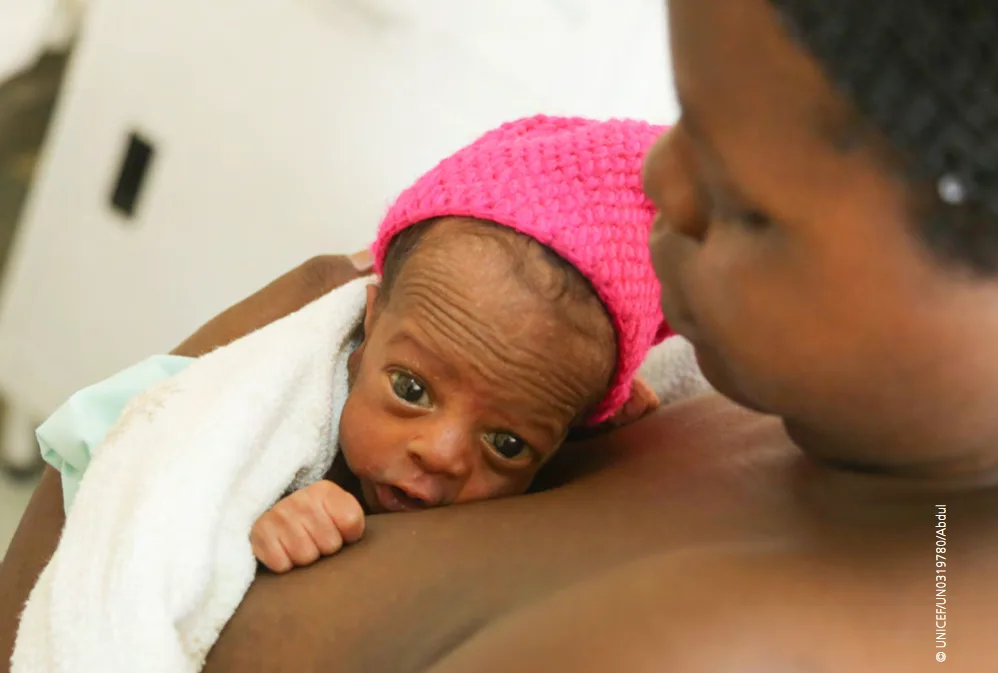
Being born in a healthcare facility without good access to WASH is a risky start faced by many of the world’s children. In fact, every two seconds, a woman gives birth in a healthcare facility without clean water, decent toilets, and good hygiene.1 That’s over 16 million women a year that risk the transmission of deadly infections to both themselves and their babies just to receive medical care during birth. Almost half of global newborn deaths occur where health facilities have no water source.2
Safe water, sanitation and hygiene in health facilities means safer births and healthier beginnings.
Childhood – Access to WASH at home
Unsafe water, lack of adequate sanitation, and poor hygiene practices at home cause frequent diarrhea and worm-related infections, which lead to malnutrition and stunting. Unsafe WASH conditions cause the deaths of around 1,000 children under five every day and account for 50% of all childhood malnutrition.3, 4
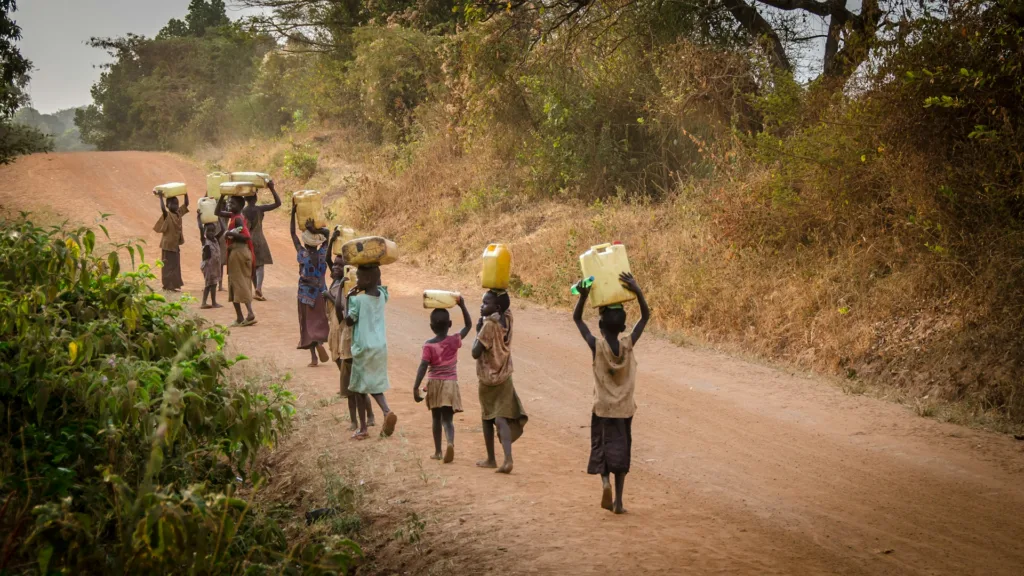
When a water source is not available close to home, girls are often the ones tasked with walking long distances to collect it. Across 53 countries where data is available, women and girls spend 250 million hours every day fetching water – over three times more than men and boys.5 These are hours and distances that keep girl children out of school, jeopardize their health as they carry heavy vessels, and compromise their safety, as they are vulnerable to gender-based violence en route.
Access to a clean water source close to home minimizes the risk of injury and violence and means girls can stay in school.
Adolescence – Access to WASH at school
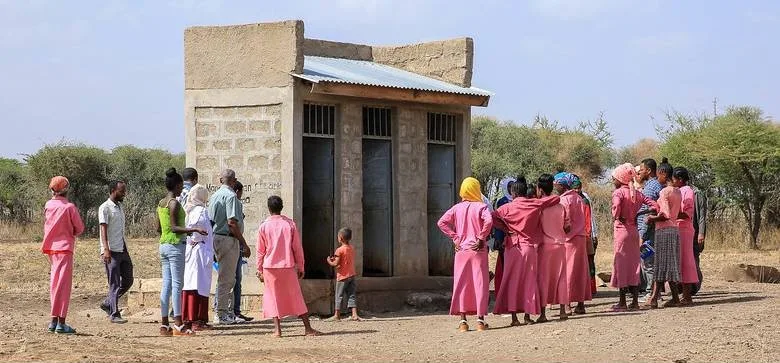
Once girls reach puberty and begin menstruating, it can have serious consequences for their education. If their school has no toilets or handwashing facilities to support proper menstrual hygiene, many girls must stay home while menstruating, regularly missing out on classes or permanently dropping out altogether. Lack of education limits their life choices and can lead to early marriage for many girls.
Access to toilets and handwashing facilities at school leads to better education and health outcomes and can change the trajectory of a young woman’s life.
Adulthood – Access to WASH at home, at school, at work
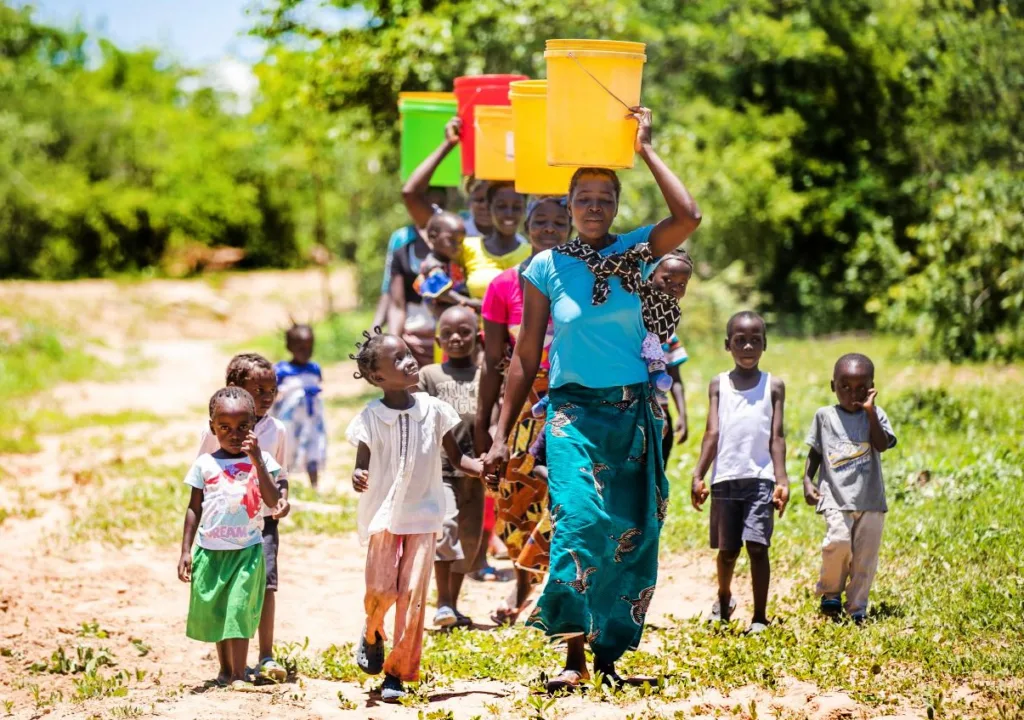
Many of the barriers that girls face in childhood and adolescence persist in adulthood. In many countries, women carry the primary responsibilities for raising children, preparing food, doing domestic chores, and caring for the sick, all of which, without the protection of handwashing, can expose them and those they care for to health risks. In addition, women continue to shoulder the responsibility for water collection, which takes time and energy away from participation in other activities such as education, formal employment, entrepreneurship, community and social activities, and leisure and family time.
For approximately 40 years, from puberty to menopause, women have specific water, sanitation and hygiene needs for bathing, laundry, and sanitary disposal of the materials they use to absorb their menstrual flow. When WASH is not accessible in the workplace, many women around the world simply have no choice but to stay home every month while menstruating, missing out on vital opportunities to realize their potential and take control of their futures.
Access to WASH at home, at school, and at work is an essential element of gender equality.
Mid-Life – Access to WASH for menstrual health
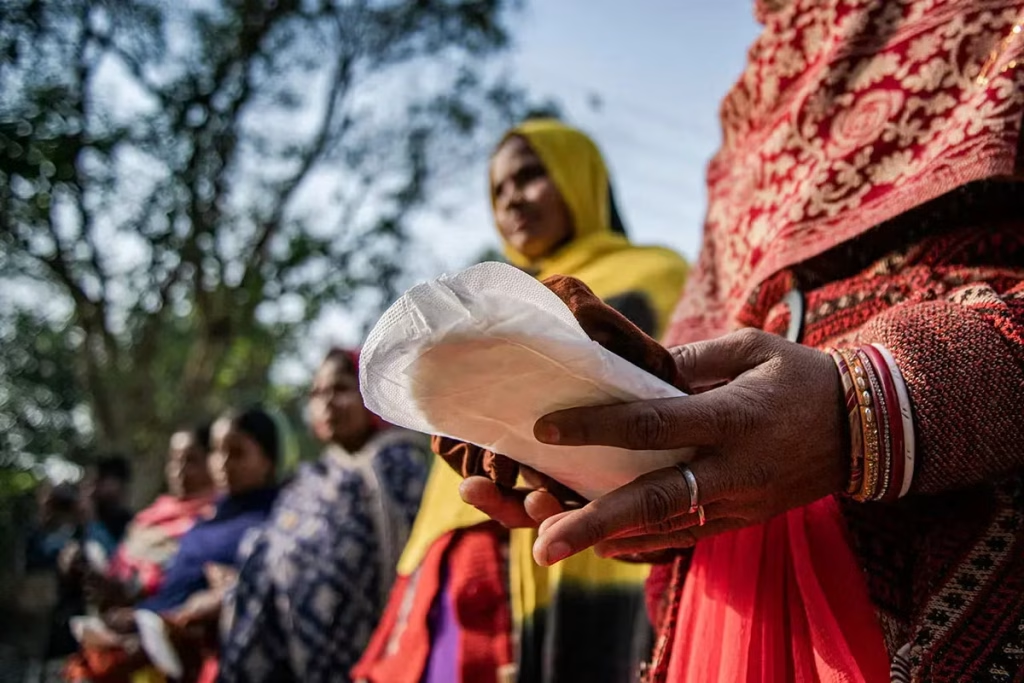
Perimenopause can be a time of heavier menstrual flow and more frequent and erratic periods, as well as extra laundry, for clothes and bedding stained with blood, sweat, and urine from incontinence. These mid-life challenges increase a woman’s needs for accessible WASH as she transitions into menopause.
Older Adulthood – Access to WASH for independence
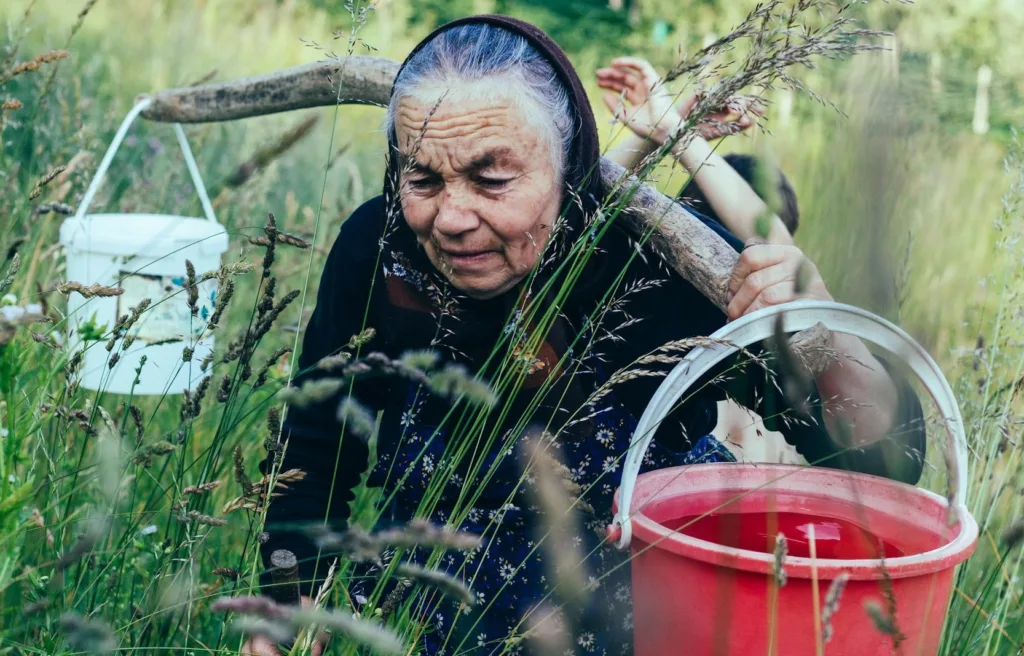
A lifetime of water-carrying takes its toll on a woman’s body. As women grow older, health and mobility challenges can make water collection more difficult. Tasks that were once manageable may become very taxing or even impossible. Additionally, age-related health conditions, such as urinary tract infections or incontinence, may necessitate more frequent use of sanitation facilities and an increased need for drinking water to avoid dehydration.
Accessible WASH facilities close to home can support independence for older women and women with disabilities.
Participation and Inclusion
When women are absent from discussions on water resource management, sanitation facility design, and WASH program planning, their needs and perspectives are often overlooked. Women must be represented in these decision-making spaces that affect their lives. It is time to centre women and girls in water solutions – not only as users, but as leaders, engineers, farmers, scientists, caregivers, and decisionmakers. Because, when women and girls are empowered to play their full role alongside men and boys, everyone thrives.
Dig Deeper…
- Could you do it? How to Carry 5 Gallons of Water on your Head (2-minute video)
- Watch: Water: A Woman’s Burden (2-minute video)
- Read: Dirty Deliveries: Why Clean Water is Essential to Surviving Childbirth
- Watch: The Girl Who Turned to Water (2-minute video highlighting the importance of WASH for girls’ education)
- Read: Female-friendly public and community toilets to better understand what must go into design and planning for the sanitation needs of women and girls.
- Read: It’s time for the water, sanitation and hygiene sector to hear about the perimenopause
- Read: Water, Sanitation and Hygiene: A Pathway to Realizing Gender Equality and the Empowerment of Women and Girls. Explore this position paper from WaterAid Canada. Scroll through to the end to see their recommendations for how the Canadian government can and should integrate gender-inclusive WASH into its international development programs.
With special thanks to WaterAid Canada for their generous sharing of information and resources.
