


Canada’s Shame
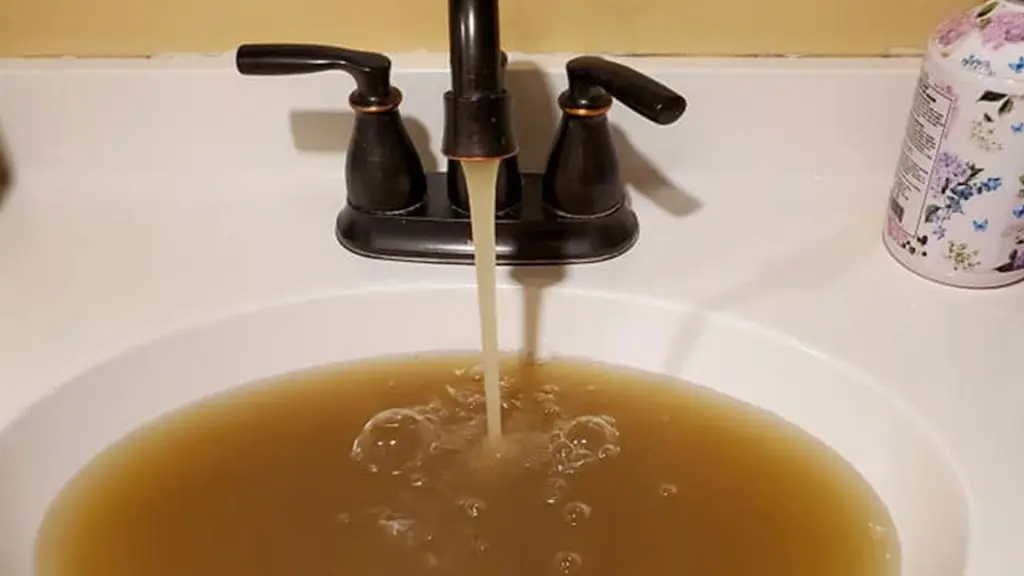
Everyone, everywhere should have access to safe clean drinking water and sanitation. This is a fundamental human right that is not being met for many Indigenous people in this country. This is an issue of human rights, public health, and environmental justice, and is a stain on Canada’s reputation as a human rights defender.
The Problem
Many Indigenous communities across the country, whether First Nation, Inuit, or Métis, do not have reliable access to safe water and adequate wastewater systems. This is the legacy of colonization and the impact of ongoing colonialism in this land.
“The root cause of the boil-water advisories and lack of clean water for Indigenous Peoples is the systemic racism.” Dr. Anna Banerji, Director of Global and Indigenous Health, Faculty of Medicine, University of Toronto
As of February 10, 2026 there were 39 active long-term drinking water advisories on public systems on reserves in 37 First Nations communities.1 (“Long term” is defined as having been in place for over a year.) The longest boil water advisory in Canada has been in place for over 30 years on Neskantaga First Nation in northwest Ontario.2
Active long-term drinking water advisories
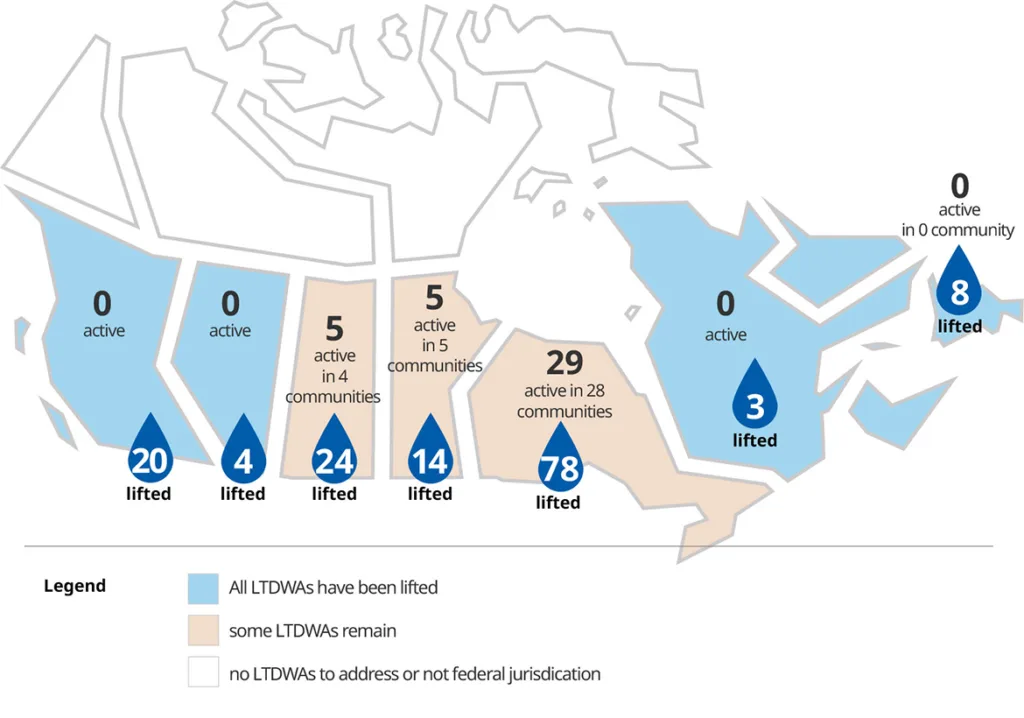
Note: This map does not provide information for the territories because the advisories currently in effect in the North do not fall under federal jurisdiction. For comprehensive lists of all advisories in Canada, both short and long-term, visit WaterToday.ca .
Why has this gone on for so long?
For decades, successive federal governments have failed to provide adequate funding to build and maintain drinking and wastewater treatment plants as well as appropriate pipe systems connecting the plants to homes, or to provide enough trained staff to run the systems, leaving many Indigenous communities with outdated or non-functioning systems. This is what systemic racism looks like in infrastructure.
Poisoned Waterways
Many Indigenous communities also suffer toxic contamination of their local water sources from nearby industries, particularly mining, oil and gas extraction and pipelines, hydro-electric dams, and pulp and paper mills. One such community is the Grassy Narrows First Nation in northwestern Ontario, where for more than sixty years, its people have lived with the devastating effects of mercury poisoning from pulp mill effluent released in the 1960s. Three full generations have been impacted and are still fighting for justice.3
A Patchwork of Shared Responsibilities
Complicating matters is the fact that the Canadian Constitution does not expressly assign responsibility for drinking water, the environment, or public health to a specific level of government. As a result, there is shared jurisdiction across federal, provincial, territorial, and municipal governments for different aspects of freshwater management. Canada currently has no coordinated national action plan on water and sanitation, nor has it enacted federal legislation to recognize and fulfill these human rights. (The only jurisdiction in Canada to enshrine the right to water in legislation is the province of Quebec.4)
Nevertheless, there are reasons for hope
- Indigenous Leadership – The land and waterways continue to be defended by courageous Indigenous Water Keepers, such as Grandmother Water Walker Josephine Mandamin and her great-niece Autumn Peltier who began her own water advocacy at age eight. Keepers of the Water is one example of networks of Indigenous water defenders working together across Canada. The Indigenous Water Partnership is another.
- Bill C-61 – The First Nations Clean Water Act is expected to be re-introduced in Parliament sometime this Spring.5
- International Pressure – In April 2024, following a fact-finding visit to Canada, the UN Special Rapporteur on the Right to Water and Sanitation presented this report to the UN Human Rights Council urging the Canadian government to address discrimination and marginalization of Indigenous communities by addressing water advisories, toxic contamination, and the criminalization of Indigenous human rights defenders defending their lands and resources from extractive industries.
Dig deeper…
- Read more here more about the development of the First Nations Clean Water Act – Bill C-61.
- Watch: First Nations chiefs from Ontario call out Ottawa over clean drinking water delays (3-minute news clip from CTV News, December 8, 2025)
- Learn more about the visit to Canada by the UN Special rapporteur in this CBC article. Dig even deeper by reading his final report, which concludes with 25 recommendations for action.
- Water is Life — This 4-page handout from CUPE (Canadian Union of Public Employees) gives an excellent overview of the ongoing fight for clean drinking water in Indigenous communities.
