

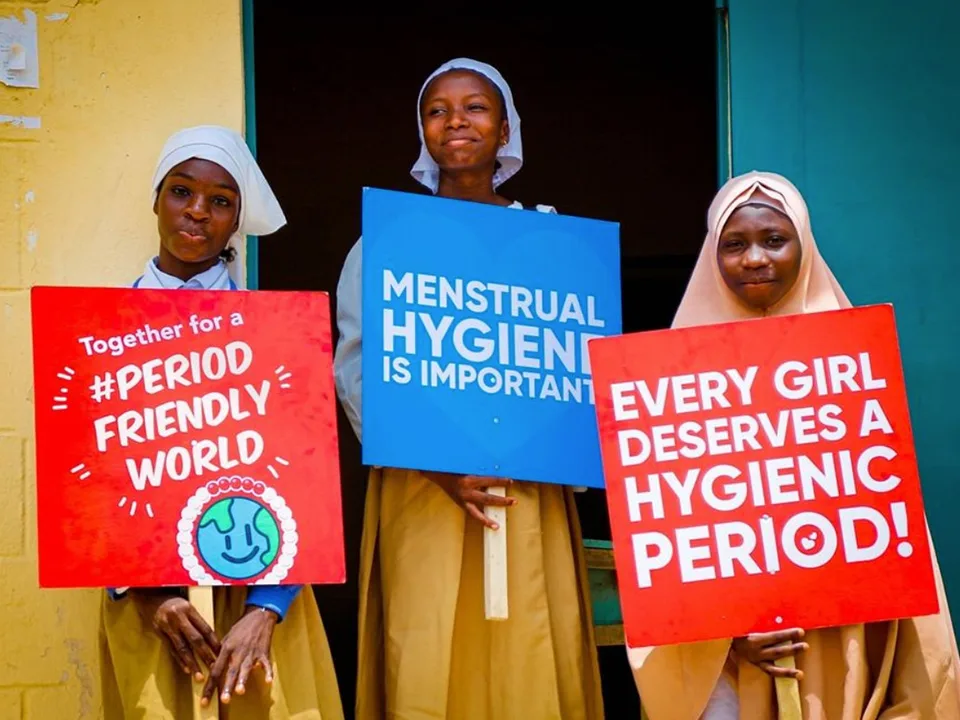

Menstrual Hygiene Day takes place every May 28. It is a global movement to break the silence and challenge the taboos around menstrual health and hygiene. Menstrual Hygiene Day creates a wave of attention for menstruation each year through media coverage, events, and social media campaigns. This global attention generates conversation around menstruation and puts pressure on key institutions, such as governments, UN agencies, and corporations, to take action, from launching programs to adopting new policies. This Small Sip is joining the conversation by focusing on WASH for menstrual health.
Menstrual Inequity
Every month, approximately 1.8 billion people around the world menstruate.1 People who menstruate include not just women and adolescent girls, but also gender-diverse persons, such as transgender men and boys and non-binary individuals. Menstruation is a healthy, normal physiological process that is essential to human reproduction and therefore to our survival as a species. Given that menstruation is essential to humanity and a normal part of the human experience for over half the global population, it is unconscionable that so many girls, women, and gender-diverse people struggle to manage their menstrual cycle in a dignified, healthy way.
In many places and cultures, women and girls face stigma, harassment and social exclusion during menstruation. Transgender men and non-binary persons also face discrimination due to their gender identity, depriving them of access to the materials and facilities they need. Gender inequality, discriminatory social norms, cultural taboos, poverty, and lack of access to water, toilets and sanitary products all contribute to menstrual health and hygiene needs going unmet.
This is not just a woman’s issue. It is a human rights issue, a public health issue, and a question of human dignity.
“Food keeps us alive, but pads, soap, and privacy let us live with dignity. When we receive hygiene kits, it feels like someone finally sees us. They don’t just protect our health, they protect our dignity.” – Maysa, a displaced Palestinian woman in Khan Yunis, Gaza 2
Supporting Menstrual Health: The Essentials
Good menstrual health relies on individuals having the resources they need to participate fully in all spheres of life during their menstrual cycle. There is wide agreement on what is required:
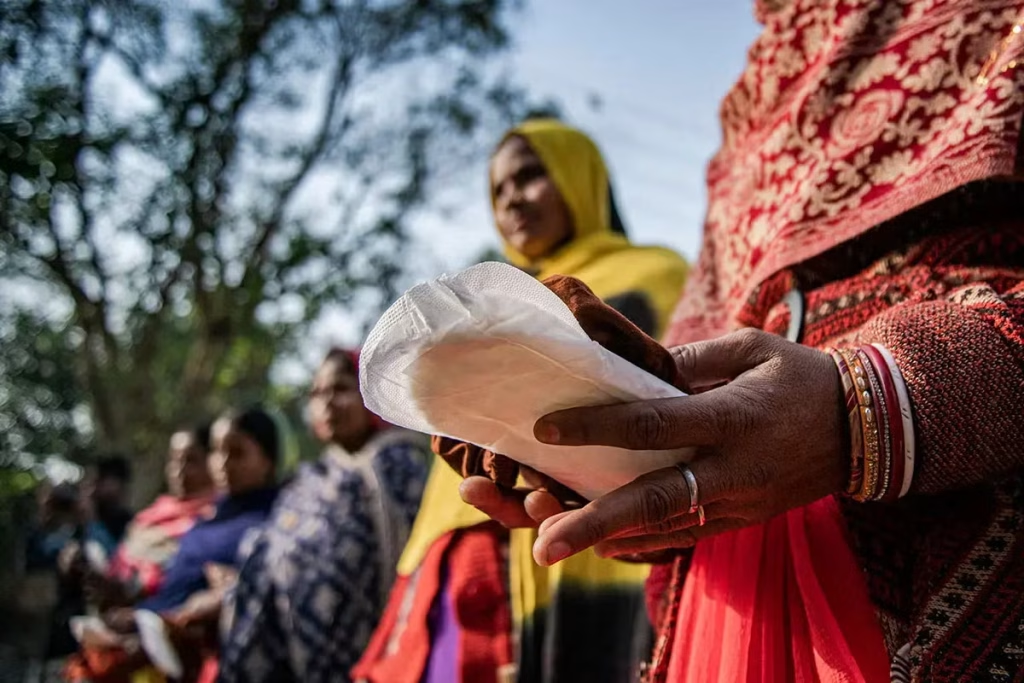
- Access to safe and affordable period-care products
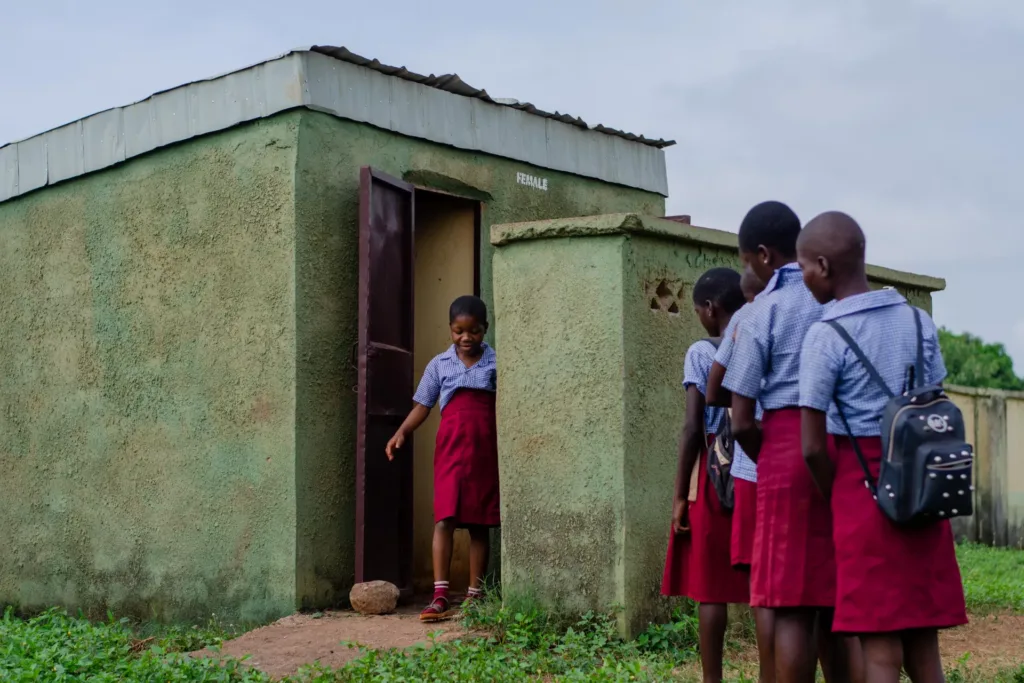
- Access to clean water and safe, private sanitation and bathing facilities
- Access to inclusive, accurate information and education
- A supportive, taboo- and stigma-free environment
Barriers
In most societies, including our own, the management of menstruation and other vaginal bleeding is handled covertly, as cultural taboos frequently hinder open discussion. Stigma and taboos around menstruation fuel inadequate information, unhygienic practices, and negative attitudes. They also foster fear and shame. This needs to change.
“When it comes to menstruation, what we don’t know can hurt us. Misinformation or a lack of information around menstruation leads to misconceptions and discrimination which hinders girls from treating it as the normal part of their childhood that it should be. It also hinders boys from understanding its importance and normalizing it.” –UNICEF3
Menstrual health is further hindered by poverty, poor product access, inadequate WASH facilities, lack of options for safe disposal, harmful gender norms, and insufficient support.
These barriers undermine health, education, and income-generating opportunities for adolescent girls, women and others who menstruate, and prevent their full participation in community life. They also perpetuate gender inequalities and cause billions of dollars in economic damage to countries around the world.
Period Poverty
Period poverty refers to the inability to afford or access menstrual products, sanitation and hygiene facilities, and education to manage menstrual health. Stigma, the high cost of menstrual products, and lack of water and sanitation facilities drive period poverty around the world. It is a global health issue that affects women and girls in both low- and high-income countries. Canada is not immune.
Period poverty impacts access to education. Adolescent girls, young women and gender-diverse people repeatedly miss school days when they lack the resources to adequately manage their menstrual health and hygiene. In many countries, girls fall so far behind in schoolwork that they drop out of school entirely. When girls, women and gender-diverse persons lose their chance at education, they lose lifelong opportunities to fulfill their potential and contribute to society on an equal footing with men. Period poverty has lasting consequences.
Ending period poverty is a policy and budget issue. By making menstrual products free or affordable, ensuring wider access to safe sanitation facilities in schools and workplaces, and changing social norms to reverse stigma, we can put a stop to period poverty.
A Global Path Forward
Astonishingly, despite menstrual health being directly connected to global goals on water and sanitation, health, education, and gender equality, menstrual health indicators are not included in the Sustainable Development Goals (SDGs).4 It is a blind spot in the SDGs, illustrating how menstrual health continues to be under-measured, under-funded, and undervalued. Fortunately, menstrual health has been gaining increasing attention in the global development agenda thanks in large measure to champions from non-governmental aid and development organizations and grassroots workers and activists in the global South.
There are signs of progress. The World Health Organization (WHO) has called for menstrual health to be recognized, framed and addressed as a health and human rights issue, not simply a hygiene issue.5 And menstrual health is now part of the UN Human Rights Council’s agenda with a landmark resolution on Menstrual Hygiene Management, Human Rights and Gender Equality being adopted at the 56th session of the United Nations Human Rights Council in July of 2024. The resolution calls for universal access to menstrual hygiene products and facilities, improved WASH infrastructure, affordability measures on menstrual products, and awareness-raising and education on menstrual health that includes not just women and girls but also men and boys.
This is a start towards menstrual equity. There is still much more to do to knock down this particular barrier to gender equality.
Dig Deeper…
- Join us on Wednesday, May 27 at 1:00 p.m. ET for a GRAN webinar to mark Menstrual Hygiene Day: WASH and Days for Girls: Working towards a period-friendly world. Click here to register.
- Menstrual Health: A Critical Cornerstone of Community and Climate Resilience – 3-page excerpt from a Water for Women Learning Brief exploring the links between menstrual health, WASH and climate change. (If you are really keen to dig deep, the full 20-page brief is available here.)
- Menstruation matters: That’s the bottom line – Article from the Global Partnership for Education on innovative projects in Africa helping menstruating girls stay in school.
- Her Hygiene Matters – Watch this 5-minute video from WaterAid highlighting a Menstrual Hygiene Management project in Pakistan funded by Global Affairs Canada, showing our international assistance dollars in action.
- How female toilet builders are taking on menstrual hygiene management in India – A good news WASH story from UNICEF.
- Counting Periods, Counting Progress: Why Menstrual Health Belongs in the Global Data Agenda – A compelling article from Equal Measures 2030 on why numbers matter. “When menstrual health data is missing, the consequences are immediate and far-reaching: policymakers cannot budget for facilities they cannot measure; donors often overlook menstrual health in education and sanitation programs; and advocates are left without the evidence needed to push for change. Invisibility in data becomes invisibility in policy – and progress stalls before it can begin.”
- Ten Most Awkward Period Dramas – Watch this 1½ -minute tongue-in-cheek video from WaterAid (for lovers of Jane Austen!).
“Every day, millions of women and girls are denied dignified, healthy ways to manage their menstrual cycle. Let’s provide them with the supplies, information and support they need to live with dignity and thrive.” – UNFPA Executive Director Dr. Natalia Kanem
