

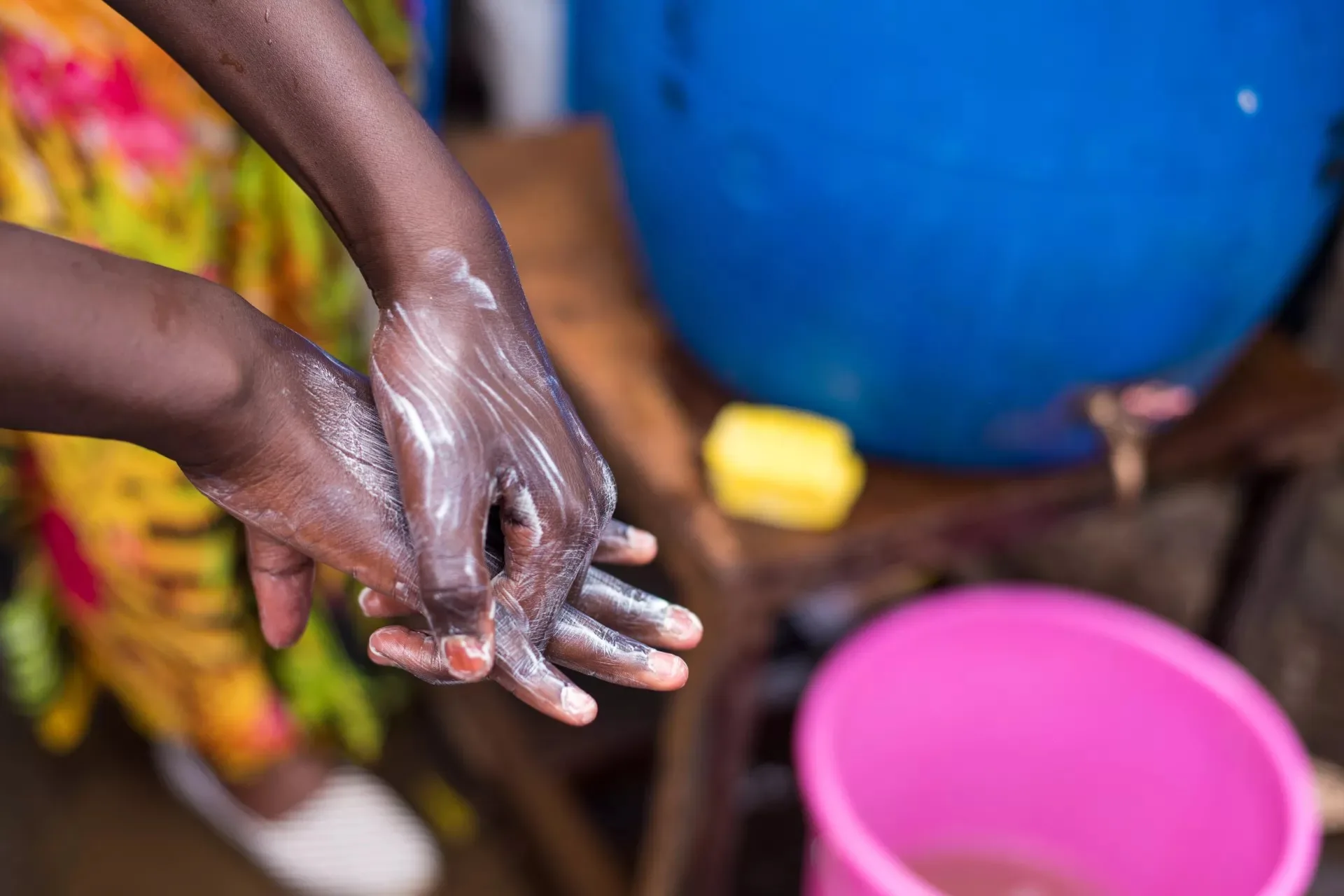

In the world of WASH, hygiene is the less flashy partner to water and sanitation. When a community gets a new well or a school gets a new toilet block, speeches are made, photos are taken, celebrations happen. Hygiene, in contrast, is not particularly photogenic or newsworthy, because it is simply about our daily behaviours and habits. But without good hygiene practices, the benefits of clean water and decent toilets are compromised. It may not grab news headlines, but hygiene saves lives.
So, what is it exactly?
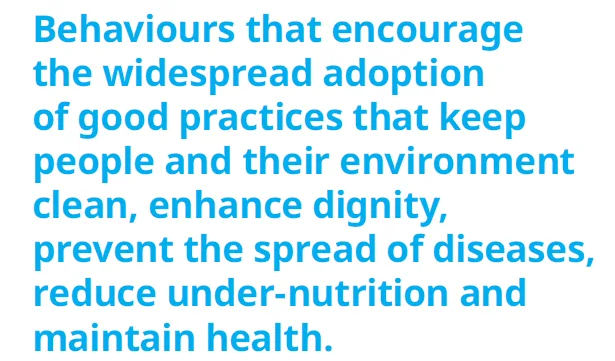
Hygiene can be hard to define, as it covers so many different behaviours and contexts – from personal care like bathing and handwashing, to safely preparing, eating and storing food, to the use of toilets and the changing of diapers, to caring for the sick, the handling of animals, and the safe use of water. Currently there is no single globally agreed-upon definition of hygiene. Here is the one that is used by WaterAid:
The case for investment in hygiene
Practicing good hygiene, and handwashing in particular, is one of the most effective ways for people to keep themselves, their families, and their communities healthy. But 1.7 billion people don’t have what they need to wash their hands properly at home,1 and one in five healthcare facilities worldwide lack basic water services.2 Under these conditions, good hygiene is unattainable and puts lives at risk. Poor hygiene access is an affront to a person’s inherent dignity and a violation of their human rights. 3
Good hygiene is one of the most cost-effective ways to save lives. And it supports so much more than good health. Good hygiene removes barriers to education, economic opportunity, self-confidence, and equity. Despite its critical role, hygiene is often underrepresented in WASH discussions and remains one of the least prioritized areas of development.
Supporting behaviour change
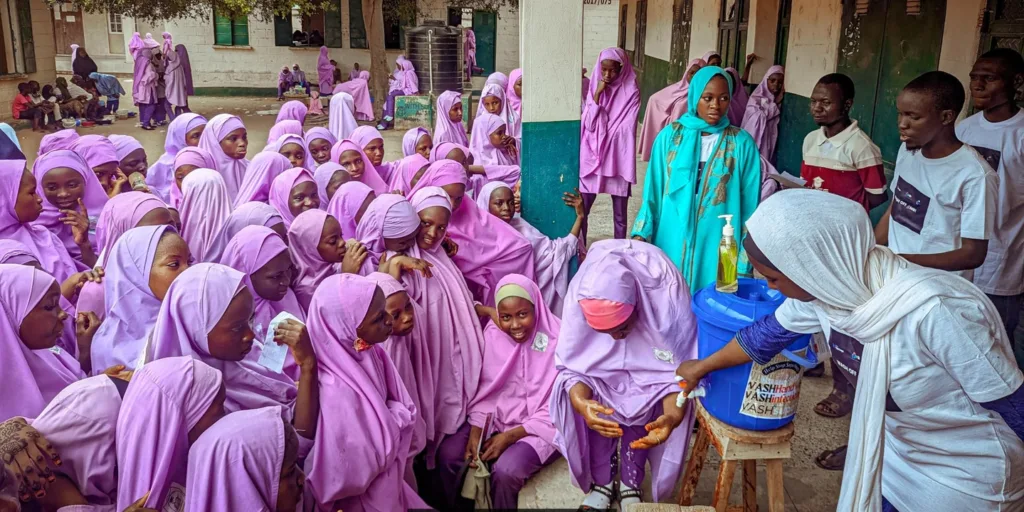
When a community gets clean water and decent toilets for the first time, they have the opportunity and the power to change their hygiene habits. However, for people who have never had access to a tap or running water before, adopting new hygiene behaviours does not come automatically. Establishing new habits (and shedding old ones) takes time and motivation, and often requires a new way of thinking about what is normal and desirable.
Hygiene promotion has traditionally focused on educating people about health, germs, and disease, assuming that knowledge will translate into action. But information alone rarely results in lasting behaviour change. (We humans have a great capacity to know something is good for us but still not act on that knowledge.) Hygiene intervention programs now make use of insights and proven strategies borrowed from the field of social and behaviour change (SBC). Hygiene interventions that involve the whole community, make environmental changes, tap into people’s emotions and specific motivations, and use reminders and nudges to reinforce desired behaviours have the greatest success.4 Sustainable hygiene behaviour change is not only about infrastructure, but ownership. Change happens when people see themselves and their communities as part of the solution. Good hygiene can become a new social norm.
Hand hygiene
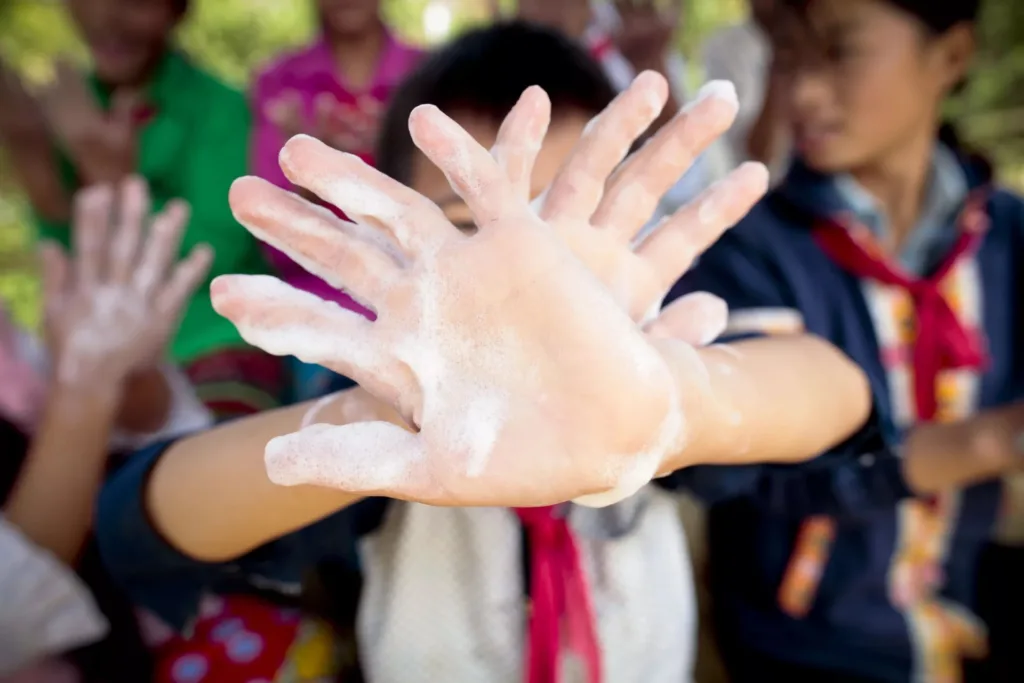
Many different hygiene behaviours are important, but handwashing with soap deserves special mention. Our hands are constantly busy, typically touching hundreds of different surfaces every day. Because of this, hands play a significant role in spreading disease. We unwittingly pass along germs whenever we fail to wash our hands effectively. It is estimated that 750,000 people die each year from diarrhea and acute respiratory infections that could have been prevented with good hand hygiene.5
Handwashing may be an individual habit, but its benefits extend far beyond the individual. Hand hygiene is a cost-effective and powerful public health intervention that can have profound impacts on communities. This simple practice can help achieve many of the Sustainable Development Goals because handwashing contributes to better health, nutrition, education, economic resilience, and equity.
Handwashing is so critical to health and disease prevention that there are two global days dedicated to drawing attention to it. World Hand Hygiene Day is marked every year on May 5 to highlight the importance of hand hygiene in healthcare settings. And Global Handwashing Day is celebrated every year on October 15 to increase awareness about the importance of handwashing with soap and water as a simple, affordable, and effective way to prevent disease and save lives.
Ensuring access
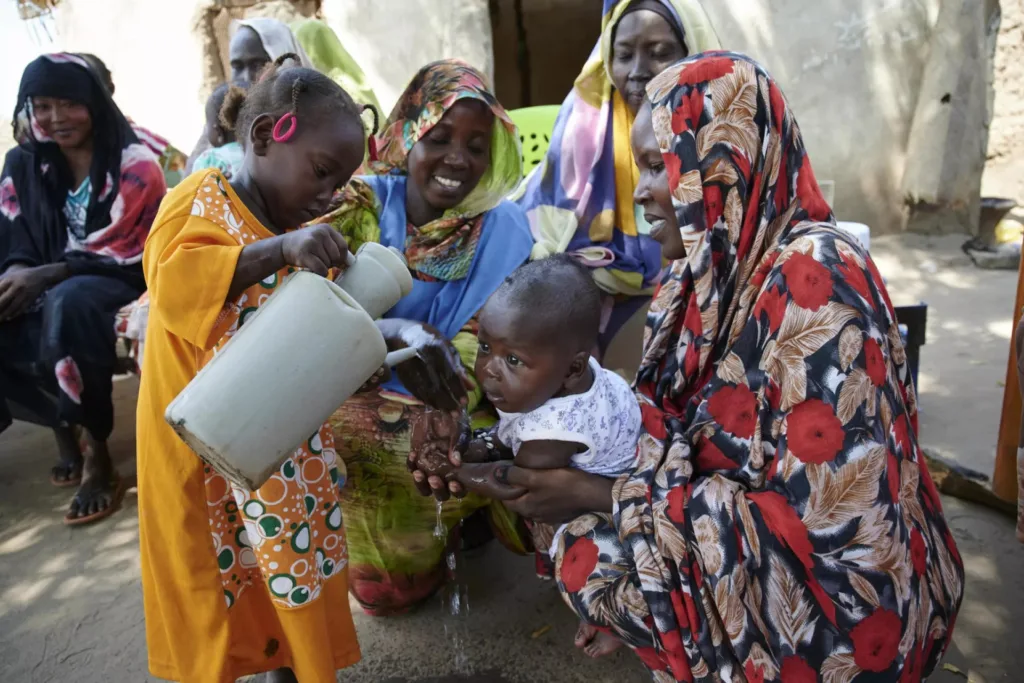
Access to handwashing facilities, as well as handwashing behaviours, vary widely between and even within countries. Vulnerable and marginalized populations are often the least likely to have access to hygiene facilities and practices. Where hand hygiene facilities are available, research shows that people, especially men, do not use them consistently.6 Ensuring access to handwashing facilities and building effective behaviour change programs are important public health measures that require government leadership and investment. Universal access to good hygiene must be prioritized at local, district, and national levels – at home and in communities, schools, public places and healthcare settings. One of the major challenges in getting governments and service providers to prioritize hygiene is the lack of understanding of how it links with health and social and economic outcomes. A society can only achieve high rates of public health, gender equity, educational attainment, and economic productivity when all of its members enjoy their rights to water, sanitation, and hygiene.
Gratitude and Advocacy
This Thursday, October 15, on Global Handwashing Day, we encourage you to take a moment to appreciate the soap and water in your life. And to commit to doing what you can to ensure that others have access too. Continue to raise awareness and to call on Canada to invest more in WASH through our international assistance dollars. Sign the Time to Deliver petition calling on global leaders to fund clean water in every health care centre worldwide and share the link with others. Or make a donation to an organization that is working to get clean water, sanitation and hygiene to the world’s poorest and most marginalized. On Global Handwashing Day and beyond, there are many ways we can all be hygiene heroes.
Dig Deeper…
- Recommended handwashing steps using the World Health Organization technique. 1-minute video. See how your own handwashing technique measures up!
- Global Handwashing Day: Why are clean hands still important? – Article by Om Prasad Gautam and Sophie Hickling of WaterAid, discussing why governments, donors, businesses, and civil society must continue to prioritize and invest in universal access to hand hygiene.
- Soap, schools and superbugs: how young people are taking action on community health and hygiene – An inspiring article from WaterAid on youth leadership around the world.
- Handwashing and Hand Hygiene – Short article from UN Water with facts and figures about hygiene access around the world.
- Clean hands – a recipe for health: linking hand hygiene and food hygiene – Article from WaterAid.
