

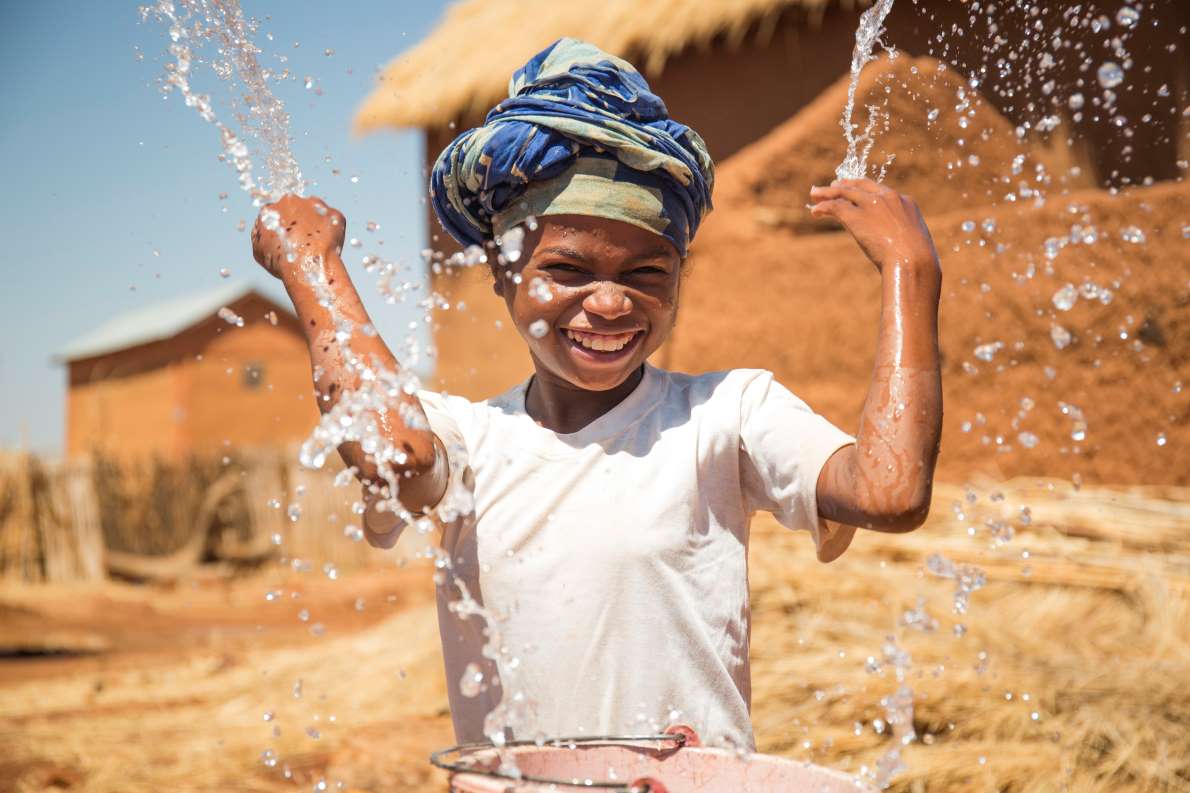
In 2026, GRAN is focusing our advocacy efforts on improving global access to water, sanitation and hygiene (WASH).
In 2010, the United Nations declared access to water and sanitation a human right, fundamental to health, dignity and prosperity, and essential to the realization of all other rights. However, lack of sustainable and safe water, sanitation, and hygiene remains one of the greatest global challenges facing low-income countries. Progress has been slow. The world is not close to meeting this Sustainable Development goal by 2030.
The 3 elements of WASH
Water:
Access to safe and clean water is a fundamental human right. But 771 million people in the world don’t have clean water close to home.1
Sanitation:
Proper sanitation facilities, including toilets and waste management systems, are vital for public health, dignity, safety, and environmental protection. But 3.5 billion people don’t have a decent toilet of their own where waste is safely managed.2
Hygiene:
Good hygiene practices play a pivotal role in improving public health outcomes, especially for women and girls. By changing their hygiene behaviours, people can keep themselves and their environment clean, stay healthy, stop diseases from spreading, and live dignified lives. Unfortunately, hygiene remains one of the least prioritized areas of development.
The benefits of WASH
WASH saves lives. It is not only essential to health, but also to good nutrition, education, economic development, climate resilience, and peace. Clean water, decent toilets, and good hygiene support all aspects of development. Ensuring access to WASH for everyone, everywhere, provides the necessary conditions for human health, dignity, and well-being.
Learn more
- Check out the WASH resources on this page.
- Read our Small Sips articles.
- Check out our Events page for upcoming webinars as well as recordings of past events.
- Visit our photo gallery to see what GRANs across the country have been doing to raise awareness of the human right to WASH.
